The Mining Industry's Energy Challenge
Mining operations are energy-intensive, with electricity and fuel costs representing 15-40% of total operating expenses. The transition to renewable energy offers both environmental and economic benefits.
Current Trends
Solar Power Adoption
Large-scale solar installations are becoming common at mining sites, particularly in regions with high solar irradiance like northern Mexico and the southwestern United States.
Wind Energy Integration
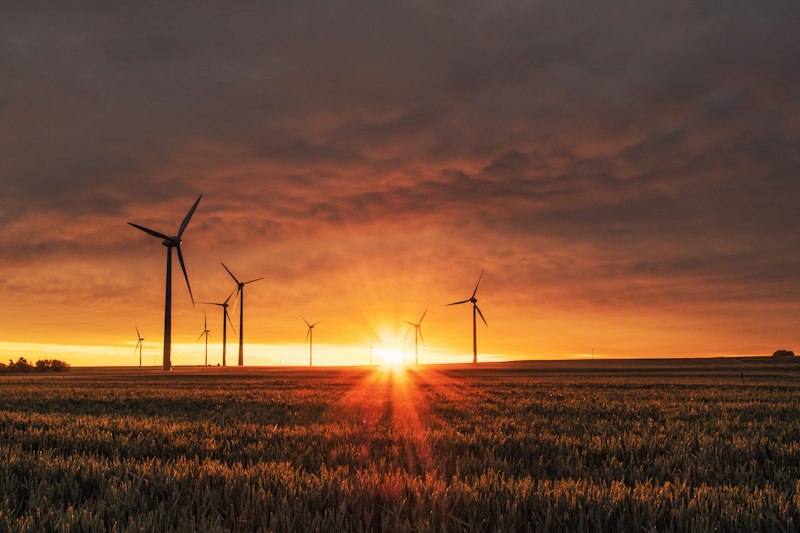
Wind farms are being developed adjacent to mining operations, providing reliable power in regions with consistent wind resources.
Hybrid Systems
Many operations are implementing hybrid systems that combine:
- Solar and wind generation
- Battery energy storage
- Diesel backup for reliability
Case Studies
Copper Mine in Arizona
A major copper producer reduced diesel consumption by 60% through a 50 MW solar installation with battery storage, achieving payback in under 4 years.
Gold Mine in Ontario
Integration of wind power with existing grid connection reduced carbon emissions by 40% while lowering energy costs by 25%.
Implementation Considerations
-
Resource Assessment: Conduct thorough solar and wind resource assessments before investment decisions.
-
Grid Integration: Work with utilities to ensure proper integration with existing power infrastructure.
-
Storage Solutions: Battery storage is essential for managing intermittency and ensuring reliable operations.
-
Financing Options: Explore power purchase agreements (PPAs) and green financing to minimize upfront capital requirements.
Future Outlook
The mining industry is on track to achieve significant renewable energy penetration by 2030, driven by:
- Declining renewable energy costs
- Investor pressure for decarbonization
- Regulatory requirements
- Community expectations